
the schedule for the June Charles Olson Centenary Conference is up...


Koons is famous for a public persona of relentlessly smiley, Amway-salesman unctuousness. But “Skin Fruit” makes clear to me that his deepest passion is anger, provoked by situations over which he has no control. The object of that anger, like the proverbial aim of standup comedians, is to “kill.”
Koons’s recourse to an air of collegiality and aesthetic assault is dictated by a distinct vulnerability in his position. His career and the plutocratic culture that it has adorned represent an epoch-making collusion of mega-collectors and leading artists, which has overridden the former gatekeeping roles of critics and curators and sidelined the traditional gallerists who work with artists on a long-term basis of mutual loyalty. With numbing regularity, newly hot artists have abandoned such nurture for gaudy, precarious deals with corporate-style dealers like Larry Gagosian, Pace-Wildenstein, and David Zwirner. In the boom era, buzz about the opportunistic exhibitions of such dealers and the latest sales figures from art fairs and auction houses were what passed for critical discourse. The situation mesmerized newcomers, by flashing promises of ascension to the starry feeding trough. Now that such promises can no longer be made, the posturing of “Skin Fruit”—roughly, noblesse oblige, laced with a left-libertarian raciness—cannot long deflect the mounting potency of class resentment. People are going to notice that the defensive elements, in this particular scrimmage of sensibilities, are members of the putatively vanguard aristocracy of wealth and social clout. The future of art, and the corresponding character of cultured society, seem bound to be determined by some smart, talented, as yet unidentified parties among the howling sansculottes...
thanks Chris


Call that a movie? you say, as if you believed in pictures with a beginning, a middle, and an end. But haven’t you noticed that no one has that trick or the heart to do it that way now? So many movie stories are humiliated by their tellers’ lack of faith, or by our carelessness—why watch if you can’t follow it? There is a struggle going on in the best filmmaking, and it has to do with this anxiety or suspicion: Do films cheat life any more persistently than by insisting on story? Suppose there are just the years passing and the burial ground of all our forlorn attempts at progress...


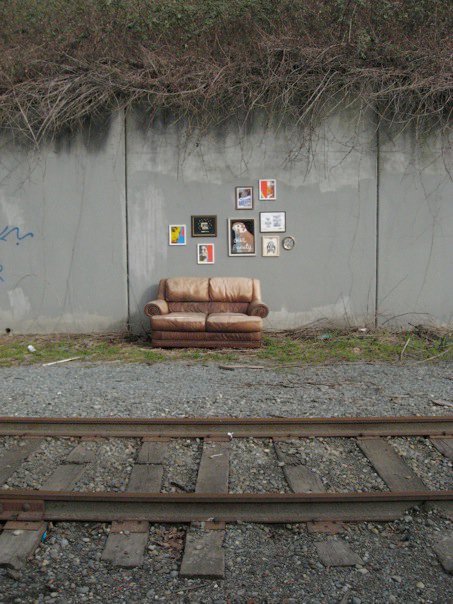


Britain might not make steel anymore, or cars, or pop music worth listening to, but, boy, are we world-beaters when it comes to tyranny. And now classical music, which was once taught to young people as a way of elevating their minds and tingling their souls, is being mined for its potential as a deterrent against bad behavior...


“Basically, my collection is about sex, drugs, Beats, hippies, punks.” Imagine a long, thoughtful pause here. “And great reads...”



In sum: a Muslim who attacks military targets, including in war zones or even in their own countries that have been invaded by a foreign army, is a Terrorist. A non-Muslim who flies an airplane into a government building in pursuit of a political agenda is not, or at least is not a Real Terrorist with a capital T -- not the kind who should be tortured and thrown in a cage with no charges and assassinated with no due process. Nor are Christians who stand outside abortion clinics and murder doctors and clinic workers. Nor are acts undertaken by us or our favored allies designed to kill large numbers of civilians or which will recklessly cause such deaths as a means of terrorizing the population into desired behavioral change -- the Glorious Shock and Awe campaign and the pummeling of Gaza. Except as a means for demonizing Muslims, the word is used so inconsistently and manipulatively that it is impoverished of any discernible meaning...
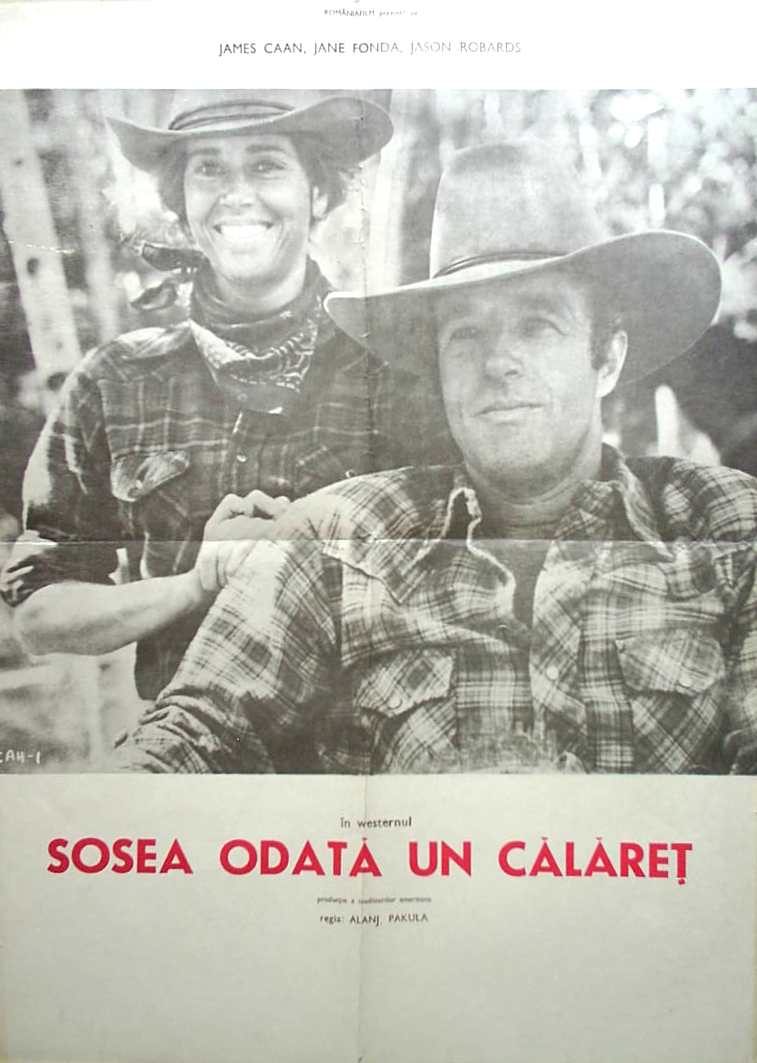
The delight of the film lies not only in Pakula’s recognition of what makes a cliché an archetype, and what he does with his film’s archetypal content, but also in the sheer audacity of the Pakula style...


Apparently, everyone decided to take a break from reading the day in 2002 when author and Brown University psychiatrist Dr. Peter Kramer wrote in the New York Times that “Prozac was no more, and perhaps less, effective in treating major depression than prior medications. . . . I argued that the theories of brain functioning that led to the development of Prozac must be wrong or incomplete.” Tell that to TV and those ads that hypnotize the consumer-patient directly: “You just shouldn’t have to feel this way anymore” (Zoloft); “Lexapro improves symptoms of depression.” And the clincher: “Feeling unusually sad or irritable? Find it hard to concentrate? Lose your appetite? Lack energy? Or having trouble feeling pleasure? . . . To help bring serotonin levels closer to normal, the medicine doctors now prescribe most often is Prozac.” For all we know, like 35 percent of American adults, according to a 2003 survey on the health effects of direct-to-consumer drug advertising, Kazmierczak walked into his doctor’s office on a day he felt a little worse for wear and requested a prescription for the fix-all himself...


Given the considerable power differential between the new condo owners moving into the neighborhood and the low-income population that has been rooted there for many years, the language of social mix serves to justify giving the right to space and property to those with wealth, and taking it away from those who are poor. Social mix, then, is a strategy used to expand hierarchical structures and mask asymmetrical power, and as such it undermines the possibility of genuine social solidarity while rhetorically appearing to promote it. It is the wolf in sheep’s clothing...



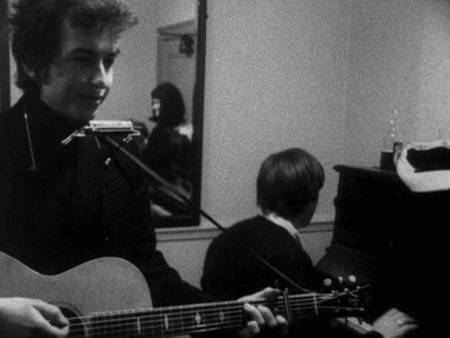


cannons fly up against the sky,
moon up high,
banners ride Cancer 'cross Eli,