
Wednesday, February 02, 2011

Bruce Conkle: Who the Hell is Piet Mondrian?
Friday, February 4th. The Gallery will exhibit Conkle's past and recent
illustrations and installations, including his gilded tree burls from
the October 2010 show at WorkSound, viewed together for the first time.
Bio: Bruce's work often deals with escapism, artificial worlds, and
man's place within nature, and frequently examines what he calls the
"misfit quotient" at the crossroads. Whimsical, absurdist, and deeply
symbolic, his work often uses art and humor to address contemporary
attitudes toward nature and environmental concerns. His work has shown
all over the world, including Reykjavik, Rio De Janeiro, New York,
Miami, and Portland. Recent projects include public art commissions for
TriMet/ MAX Light Rail and PSU's Smith Memorial Student Union Public Art
+ Residency. In 2010 Bruce received an Oregon Arts Commission Artist
Fellowship and a project grant from the Regional Arts and Culture
Council. http://www.bruceconke.com info@bruceconkle.com
WHAT: Project Grow presents Bruce Conkle: Who the Hell is Piet
Mondrian? WHEN: Opening reception Friday, February 4th from 7 to 10 pm.
Gallery hours Mon-Fri 9am- 5pm and by appointment 503.236.9515 x116.
Continues through Feb 28. WHERE: The Gallery at Port City: 2156 N
Williams Ave. Portland 97227
Tuesday, February 01, 2011

3.
It's never quite clear
what they're up to
the men who live
on wires & shelves.
A shitstorm of data
a shark that walks on land
the amount of snow won't matter
to the phone in your hand.
Mahler's 1st
Jimmy Caan crosses Roebling's bridge
in a Cadillac to deliver
leaves to the Harlem River.
Bird shadow in the big holly
lost in the dust on the shade
forced air feathered melancholy
fluffs the scratch the branch made.
The men who live on wires & shelves
are mute even to themselves.
Monday, January 31, 2011

The H.D. Book
The dominant rhythm is recurrence, with the writing (and rewriting) forming a palimpsest that diagrams movements of soul as well as patterns of literary process. Chapter 8, dated "March 21, Tuesday, 1961," begins with an early-morning fragment of dream that Duncan then tracks through a labyrinth that include Baudelaire, the game of charades, Jehovah's backside, the alchemy of Freudian analysis, shit and cunts, the play of verse/versus/version/aversion, and the marginalia of Jack Spicer...

Wednesday, January 26, 2011
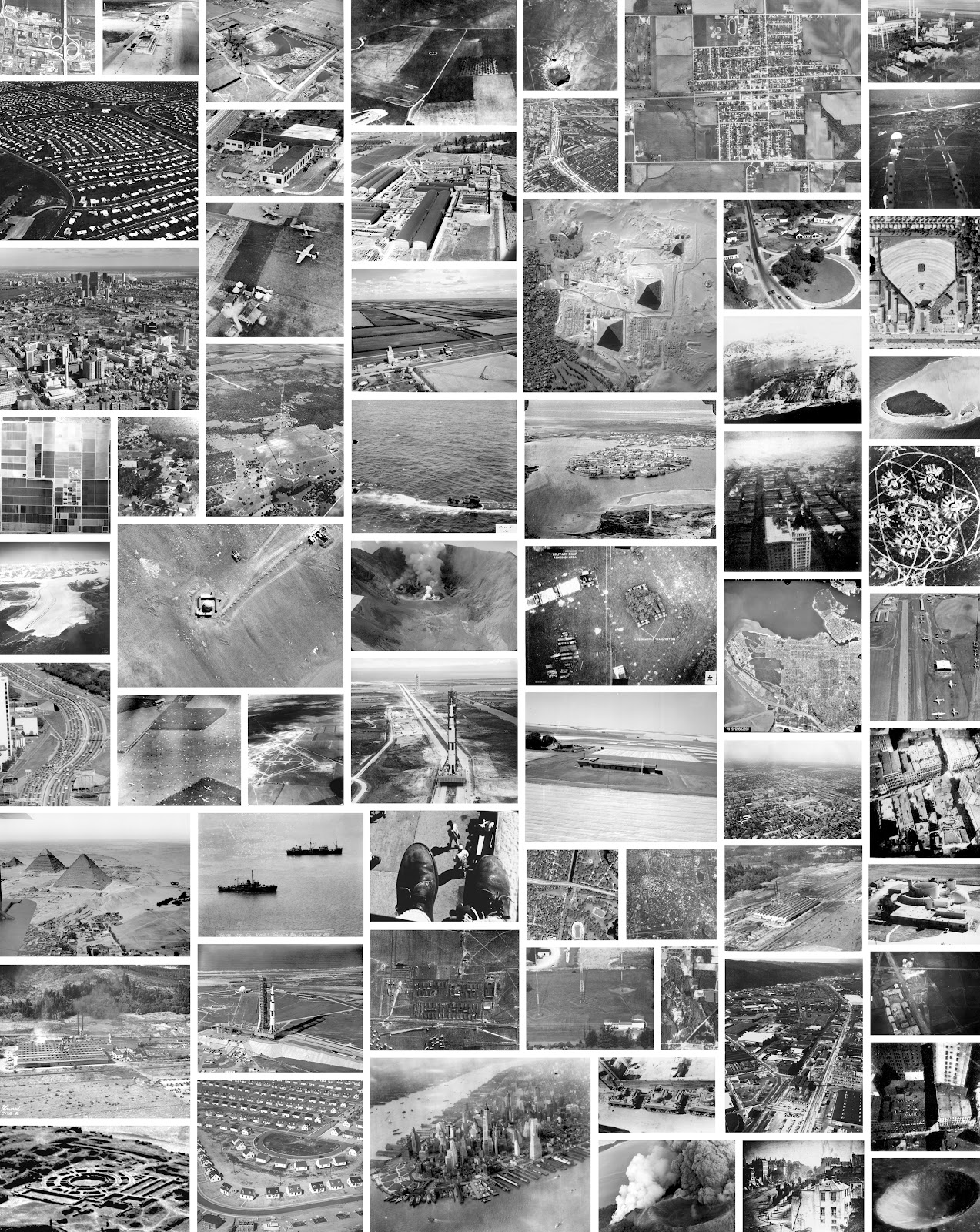
Roy Arden's giant multimedia extravaganza "Under the Sun" is opening at the CAG on 555 Nelson tomorrow at 6---
Tuesday, January 25, 2011
 2.
2.This snowball smells like expired aspirin
with diesel upchuck copperhead breath--
but then what?
I wish Captain Beefheart
had played more clarinet,
the terrible headaches I would get
after parties from being at
them too long, through orange streets
to the 7-11--plume of vapour heat
in the cold Adanac back room
digitally added with optical zoom--
On Lok tap running closed tight
walking through a big stripe
across Victoria & Hastings a big red stripe
oh its bad in this kind of thing
when the opera lady starts to sing
& it goes all sepia, an ocarina
hand a sandstone screen,
a quarter inch of pink snow
cast iron stumps where though
they'd taken railings away for the war
Dad said we still paid & paid
getting it back in the form of blades
& Starfighters, well into the decade.
Lend-lease. The price of peace.
People that had figured out,
ways to make money, to tout.
To spiv. Cut your hand on his
wing collar, you could.
A mustache behind, a hood
a brothel creeper, a secret weeper.
A solid ten per cent
his demob suit rent.
Thus from the stage of the Commodore
the Captain turned & said
Read Wyndham Lewis
Apes of God! Apes of God!
meaning, I guess, that even
the over-egged & overdrawn
grotesque dreadnoughts
blundering bitterly through
the baking heyday pages
of the Torquemada modernism
I'm glad I missed
are more interesting
than you assholes--
I'm going to go home & paint!
But the Commodore bathroom
is everywhere, they only
pretend to stamp your hand
a pot flung into your face
half-amusingly
forever--never
a good town for crowds
they just up & leave you lonely
rather than bringing
the audience home
rather than just going home.
Sunday, January 23, 2011


Saturday, January 22, 2011
Farewell, Etaoin Shrdlu (1980) 1/2
Farewell Etaoin Shrdlu
Filmed at The New York Times during production of the last edition that used centuries-old hot-metal typesetting. Editors, printers, stereotypers and pressmen are seen working with traditional letterpress printing. The printers are later seen, retrained, composing images by electronics and running computer-driven videotype-setters. Clearly shows how a newspaper is put together by old and new methods and how some workers feel about adapting their skills to the change. ("ETAOIN SHRDLU" was formed by striking the first twelve keys on a Linotype machine keyboard. The operator hit these keys to quickly finish a line which had an error in it. The line was then discarded.)

Guernica / Detroitism
Michigan Central Station appears to be a potent symbol of decline and the inevitable cycles of capitalist booms and busts. But there’s also money to be made on destruction. The decrepit station has been owned for years by the city’s most notorious real estate mogul, Matty Moroun, a politically-connected, Teflon-coated trucking magnate who owns the bridge to Canada and covets land near the city’s major transportation hubs. Alas, a photograph can tell us little about the city’s real estate industry and the state’s cheaply-bought politicians. All it can do is show the catastrophic results. Taken together, all the images of the ruined city become fragments of stories told so often about Detroit that they are at the same time instantly familiar and utterly vague, like a dimly remembered episode from childhood or a vivid dream whose storyline we can’t quite remember in the morning: Murder city! Unemployment! Drugs! White flight! Crime! Because the ironic appeal of modern ruins lies in the archaeological fantasy of discovery combined with the banality of what is discovered—a nineteen-eighties dentist’s office is not implicitly fascinating for anyone who inhabited one in its intact state—a ruin photograph succeeds in providing the details of a familiar story whose major plot points we can’t piece together...


 Cape Town Nightclub Photographs by Billy Monk
Michael Stevenson is pleased to present a selection of 47 images by the legendary photographer Billy Monk taken in Cape Town nightclubs in 1967-9.
Tuesday, January 18, 2011

Sunday, January 16, 2011

Morrissey's Code
for RA
Adjusted the rain
for rheostatic intervention,
to walk so far so slowly
was never my intention.
I had arrived
at Bentall station
by unknown forces
& monstrous motivations.
By the time I got out
of the Octagon
the Broadway bus
had come & gone.
In the bustop gravel
I dug a pit
into which I dropped
a cigarette.
Consonants interrupt
alluvial flow
that's where
the letters go.
Annulled immediacy,
a cloud with eye holes
a blunt expediency
dispensed in vials.
A shadow falling
on the snow
that's where
the letters go.
Saturday, January 15, 2011




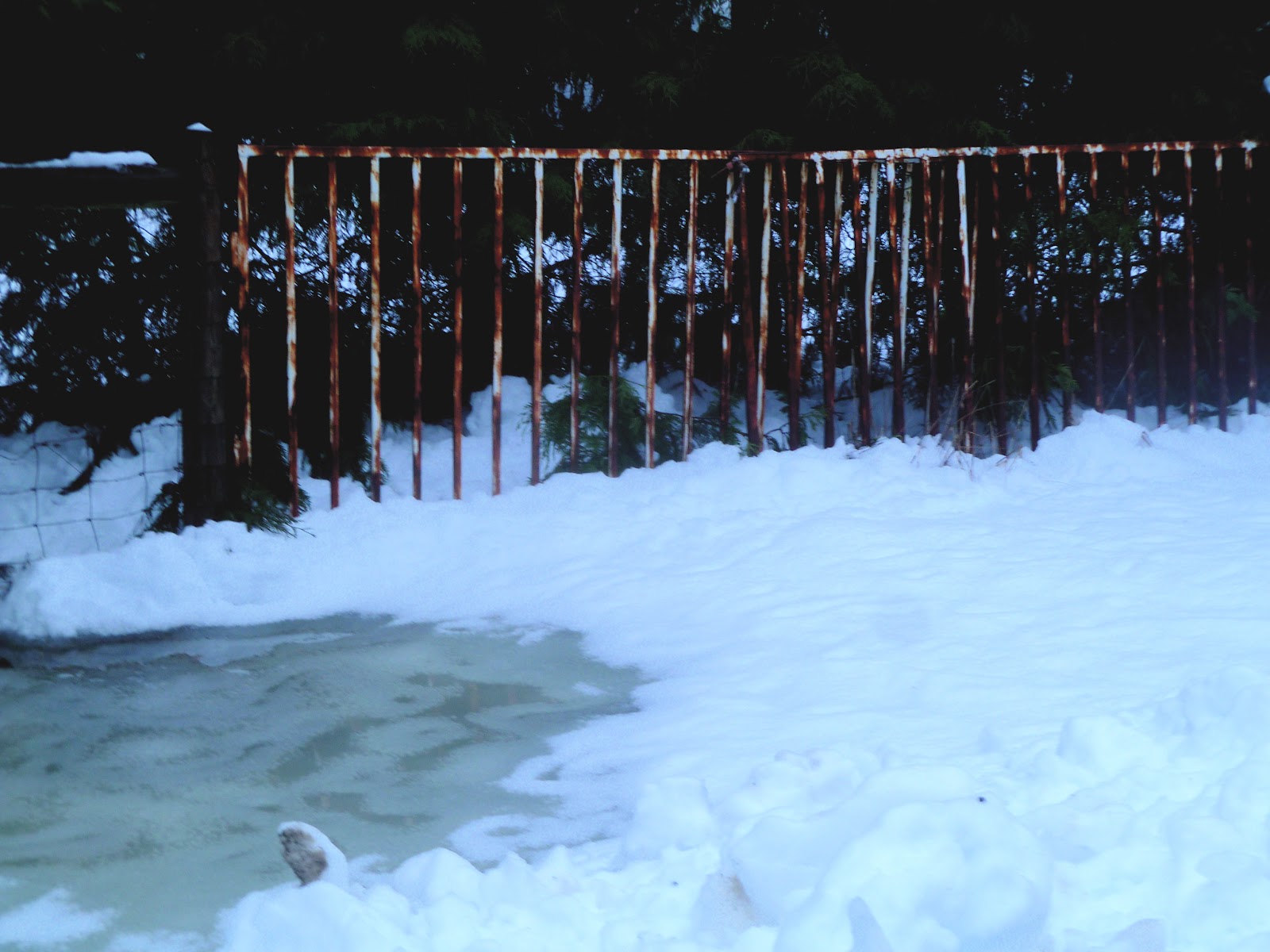
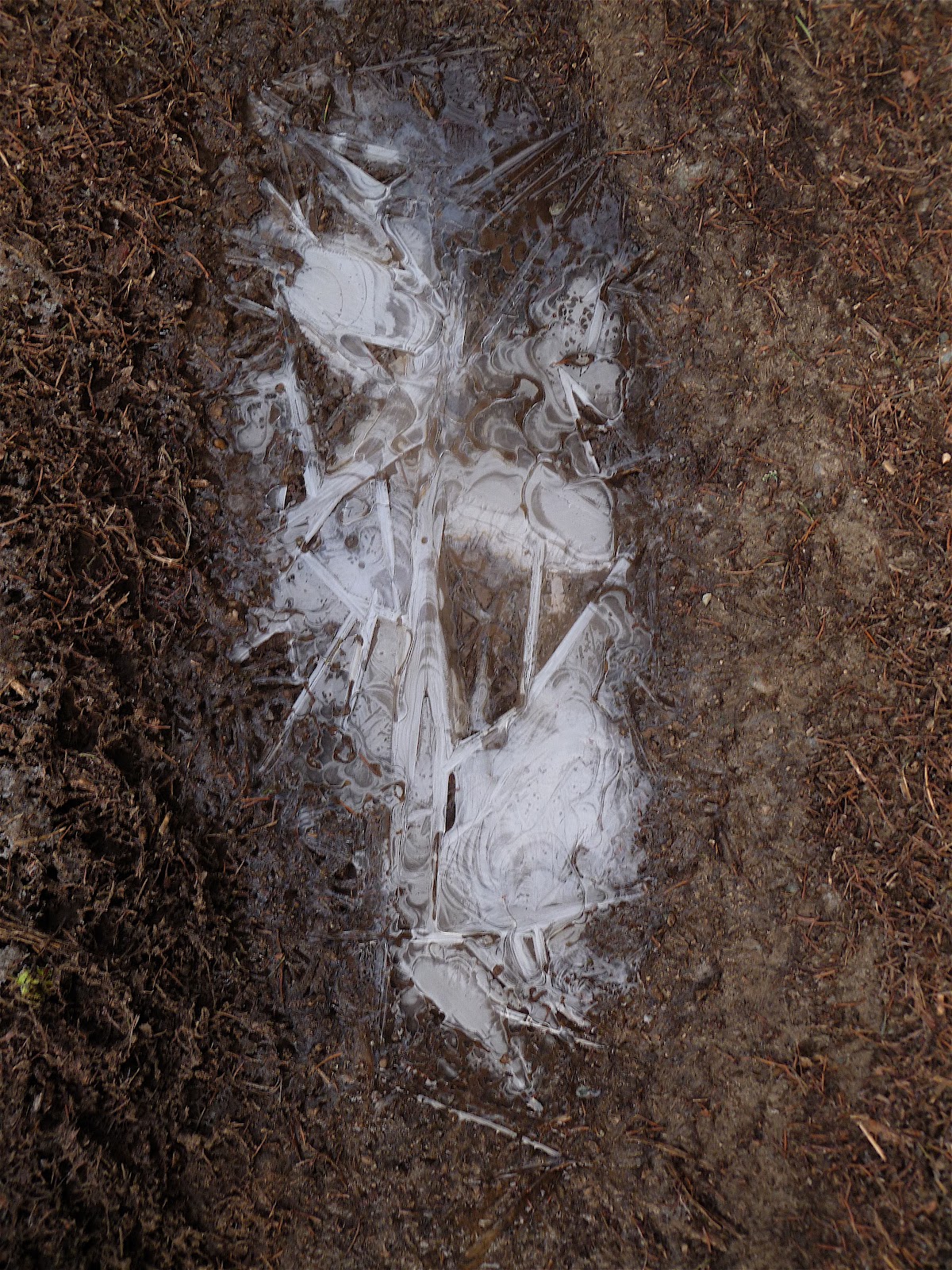


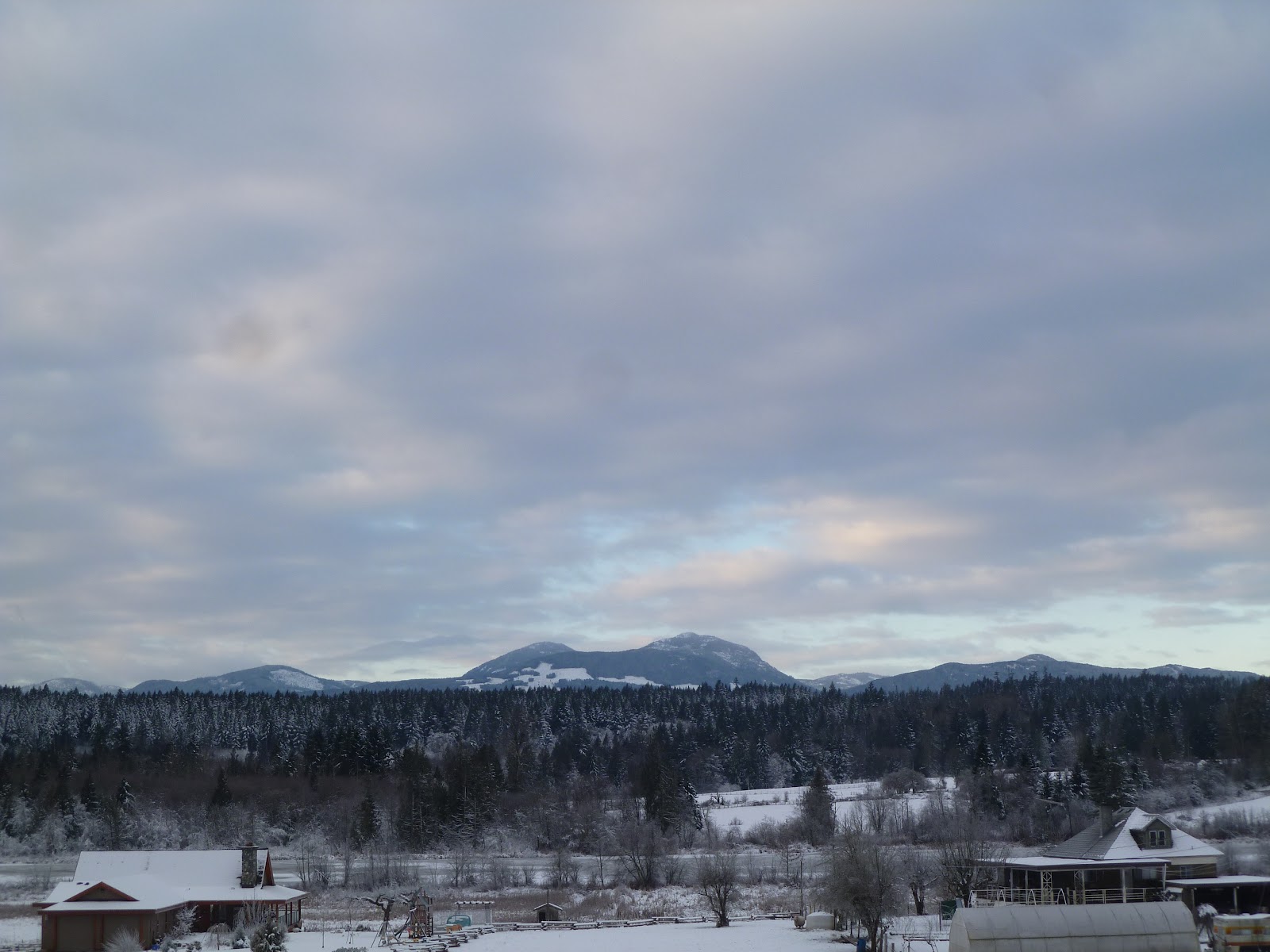
 for GS
The weak solder
of Solidarity--Zonko's
"Hang the Sock-reds!!"
in his best Queens in Victoria
under the gaze of Victoria
who looks like a young Mary Tod
or a bomb-wielding Avignon pope,
under the gaze of the rank & file
who can't wait for Jack Munro
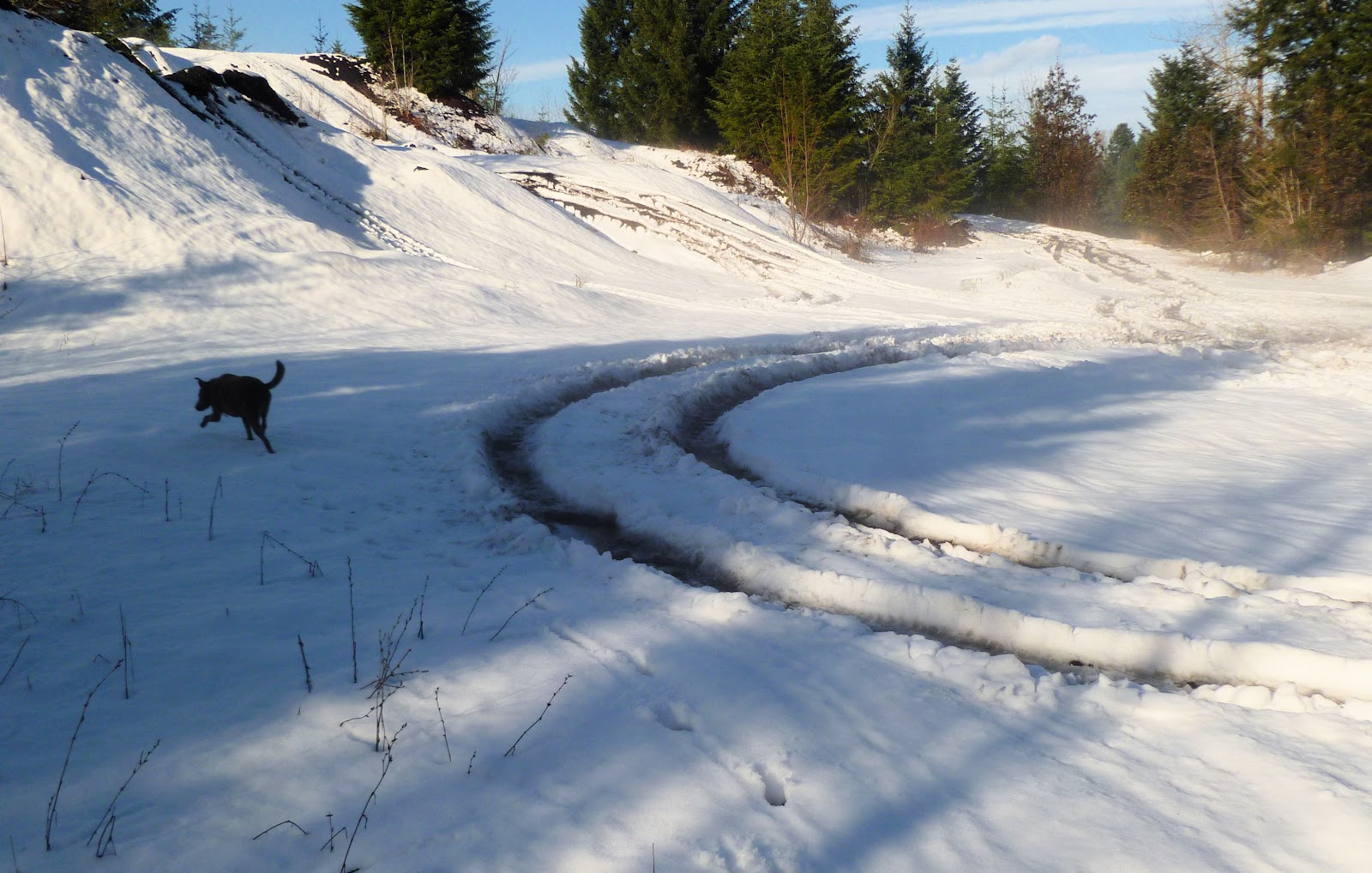
to come out of the snow
to get them off the hook
& back to Nanaimo.
"when the poets start
it's time to leave"
A farewell
no less permanent
for its awkwardness
& accompanying banners.
The island highway
is the tinnitus
of the landscape,
fifty words for wet snow
words over wetter snow
breaking a stick
off another stick
on my breastbone
then banging
the lichen loose
a layer of something
is the thing
slurry under slush
steel toe cow catcher
but its not the North
not the dog of the North.
This snowball smells like fish
& down the same railroad cut
which carries the ascending whine
& keening rumble of traffic sometimes
bacon, smokes, coffee, acetone
pigshit, cowshit, frying chicken
(if less of the burger onion
startup combo casserole
than years since)
weed, the horse-farm
goat, always the greenwood smoke
at the bottom of the bowl.
Yellowed Penguin pages
ordinary leaves of Don Allen
failing transmissions from off-island
subject to frequency modulation
& infant theft, the last
ethered sunlight of Grade 11
a slice of lemon pound cake
from which the rind
had been removed.
Morse code
from a coffin.
Idea of North
Protestant North
no California lemons
bareknuckle bonhomie
pubs heated by sweat & breath
& pickled egg farts
terrycloth tonsure
cards 'til daybreak
a winter without hugs or drugs
hockey fights & hockey kisses
the rolling greyscale
of a cheap TV
into which the test pattern
has been burned--
conditional recognition
not so much as a poet
as one marked off
as that injured aldermanic raven
walking bent through the snow &
toward the fence
with an entitled eye
to the point of death.
Thursday, January 13, 2011
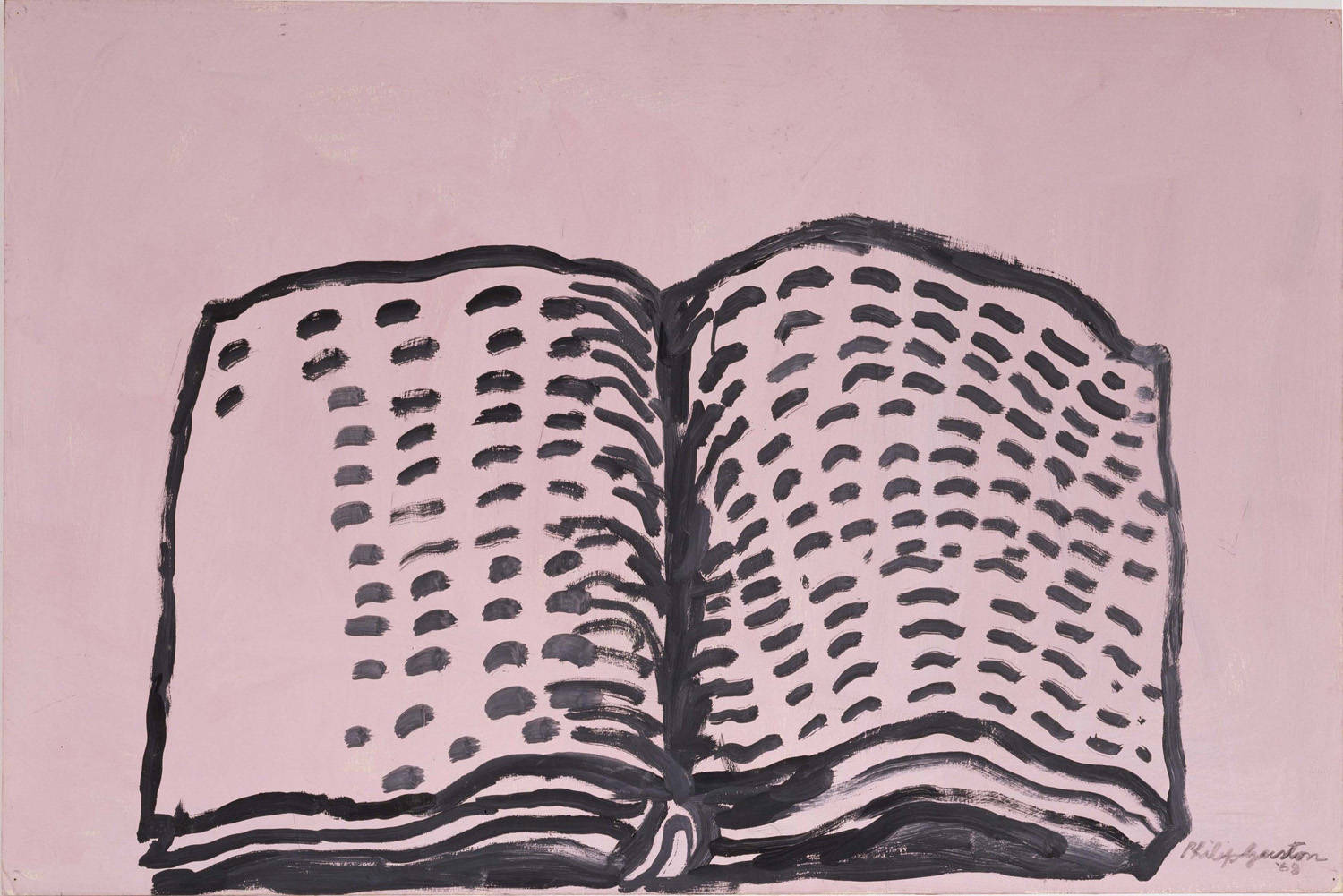
Philip Guston at Isola di Rifiuti
I think it’s true of my whole past, as far as I know my past, to be fascinated by the one and the multitudinous. Sometimes I’ll put a lot of forms into a picture and think: Why do I need all that? I really don’t need this multitudinous feeling of forms. The world is filled with multitudinous forms. I really am looking for one form, a static form, from which the multitudinous forms come anyway. Like that bulging book we’re looking at now. . . .
Wednesday, January 12, 2011

Rhetorical Maneuvers in Contemporary Art, Part 1
The artist has learned that to do less is to be credited with doing more. The artist has learned that to be engaged with physical materials and processes is to be a mere craftsperson, while to work with concepts is to be respected as an intellectual worker (now properly identified as a member of a creative class by the ubiquitous urbanist Richard Florida). The artist has learned that art should be able to claim a political subtext, but not a political subject per se, as the latter will often be derided as unsophisticated and unartistic. We are left with a situation in which the increasingly meager offerings of artists are accompanied by a kind of critical discourse that is both maddeningly academic in its style and often politically pretentious as well. It is the kind of bad faith that arises when a population with the highest ideals is marginalized to begin with, and is then further stripped of the tools it once possessed to assert its unique importance...

The Spoils of the Park returns
“A great object of all that is done in a park, of all the art of a park, is to influence the mind of men through their imagination”
Tuesday, January 11, 2011
The Albertans - The Wake OFFICIAL VIDEO ('New Age' available 03/08/11)
new video from Vancouver combo "The Albertans"






Sunday, January 09, 2011


fun-sounding Jules Dassin's The Law on TCM tonight...
Set in a sunbaked Catfish Row, The Law is a movie of cartoon-like
mass formations, singing urchins, and operatic outbursts—it opens with
the town's midday torpor broken by top-billed Gina Lollobrigida's siren song as she lovingly polishes a pair of boots belonging to her master, the crusty local padrone (Pierre Brasseur).
Snugly corseted and highly Coppertoned, Lollobrigida plays a
flirtatious virgin half her age. (Dassin's notion of the role seems
modeled after the manic gamine in Modern Times.) Everyone is transfixed by her cleavage, but La Lollo has eyes only for Marcello Mastroianni,
the progressive young agronomist arrived from the north to drain the
swamp—they have the best looks and the least chemistry of any couple
I've seen onscreen this year. A sleazily mustached Yves Montand plays the town gangster, with Dassin's wife, Melina Mercouri, unhappily married to the local judge, reading Anna Karenina and making (very scary) eyes at Montand's college-age son...

Subscribe to:
Posts (Atom)