Wednesday, January 31, 2007


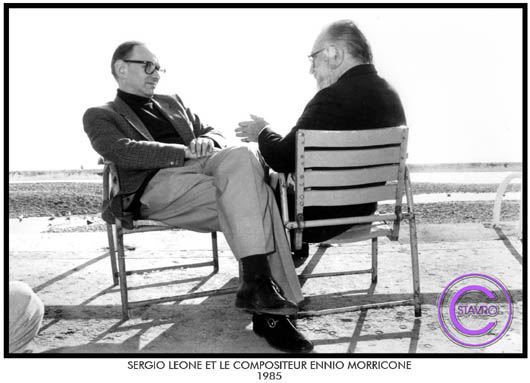
an Oscar for Morricone

"The same recipe had worked, on a majestic scale, with “Once Upon a Time in America,” where the movie’s most plaintive theme was touched off not just by an old man gazing through the window of his boyhood hangout but also by one of his friends, filmed as a kid, scooping cream from a charlotte russe. What ignites Morricone, in other words, is less the nostalgic impulse than those pure, primal experiences which are destined to become the objects of nostalgia—the laying up of treasures upon earth."

Tuesday, January 30, 2007


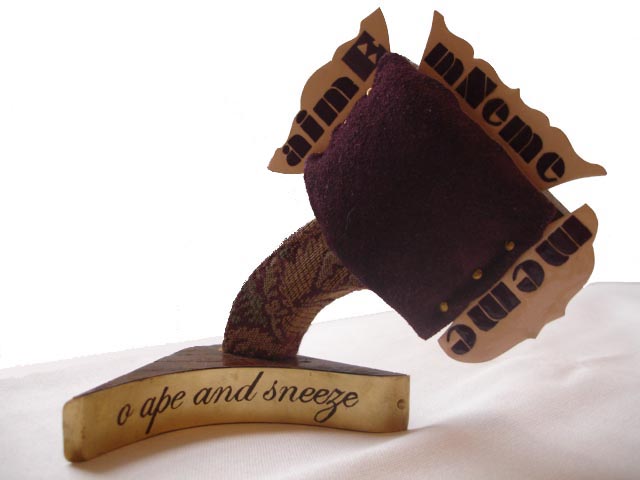
new onedit features (above) Emblems by Thomas Evan & translations by Tim Atkins, poems by Kit Robinson, Leslie Scalapino &c &c....

Monday, January 29, 2007

Is America Afraid of Freedom?

"In the landmark free-press 1971 'Pentagon Papers' case (New York Times Co. v. United States)—in which the Nixon administration demanded severe punishment for the New York Times's having published highly classified information on government conduct (and lies) in the course of the Vietnam War—Justice Hugo Black, writing in the majority, warned of government brandishing 'national security' to silence the press in time of war. 'The guarding of military and diplomatic secrets at the expense of informed representative government provides no real security for our Republic,' Black wrote. 'The Framers of the First Amendment, fully aware of both the need to defend a new nation and the abuses of the English and Colonial governments, sought to give this new society strength and security by providing that freedom of speech, press, religion, and assembly should not be abridged.'
But among the dissenters, Justice Harry Blackmun warned: 'The First Amendment . . . is only one part of an entire Constitution. Article II of the great document vests in the Executive Branch primary power over the conduct of foreign affairs and places in that branch the responsibility for the Nation's safety . . . I cannot subscribe to a doctrine of unlimited absolutism for the First Amendment . . .

'If damage has been done . . . and these newspapers continue to publish the critical documents and there results the death of soldiers [and] the prolongation of the war . . . then the Nation's people will know where the responsibility for these sad consequences rests.'

As George W. Bush continues to act, and believe, in the 'inherent power' of the commander-in-chief, the John Roberts Supreme Court will, in time, decide whether Hugo Black's understanding of the First Amendment prevails or whether Harry Blackmun, Alberto Gonzales, and Commander Bush speak for the nation as the press becomes strictly controlled for a long time to come..."
good Gary Wills in NYT--At Ease, Mr. President

"When Abraham Lincoln took actions based on military considerations, he gave himself the proper title, “commander in chief of the Army and Navy of the United States.” That title is rarely — more like never — heard today. It is just “commander in chief,” or even “commander in chief of the United States.” This reflects the increasing militarization of our politics. The citizenry at large is now thought of as under military discipline. In wartime, it is true, people submit to the national leadership more than in peacetime. The executive branch takes actions in secret, unaccountable to the electorate, to hide its moves from the enemy and protect national secrets. Constitutional shortcuts are taken “for the duration.” But those impositions are removed when normal life returns.

But we have not seen normal life in 66 years. The wartime discipline imposed in 1941 has never been lifted, and “the duration” has become the norm. World War II melded into the cold war, with greater secrecy than ever — more classified information, tougher security clearances. And now the cold war has modulated into the war on terrorism.

There has never been an executive branch more fetishistic about secrecy than the Bush-Cheney one. The secrecy has been used to throw a veil over detentions, “renditions,” suspension of the Geneva Conventions and of habeas corpus, torture and warrantless wiretaps. We hear again the refrain so common in the other wars — If you knew what we know, you would see how justified all our actions are.

But we can never know what they know. We do not have sufficient clearance..."

Sunday, January 28, 2007

Thursday, January 25, 2007


Happy Robert Burns Birthday, here's the Address To A Haggis to test your Rrrr's on at the supper the night...

"The groaning trencher there ye fill,
Your hurdies like a distant hill,
Your pin was help to mend a mill
In time o'need,
While thro' your pores the dews distil
Like amber bead.

His knife see rustic Labour dight,
An' cut you up wi' ready sleight,
Trenching your gushing entrails bright,
Like ony ditch;
And then, O what a glorious sight,
Warm-reekin', rich!"

Wednesday, January 24, 2007


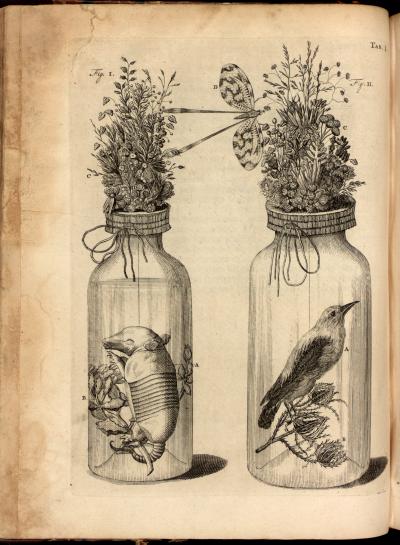
from the Anatomia Collection

"This collection features approximately 4500 full page plates and other significant illustrations of human anatomy selected from the Jason A. Hannah and Academy of Medicine collections in the history of medicine at the Thomas Fisher Rare Book Library, University of Toronto. Each illustration has been fully indexed using medical subject headings (MeSH), and techniques of illustration, artists, and engravers have been identified whenever possible. There are ninety-five individual titles represented, ranging in date from 1522 to 1867."


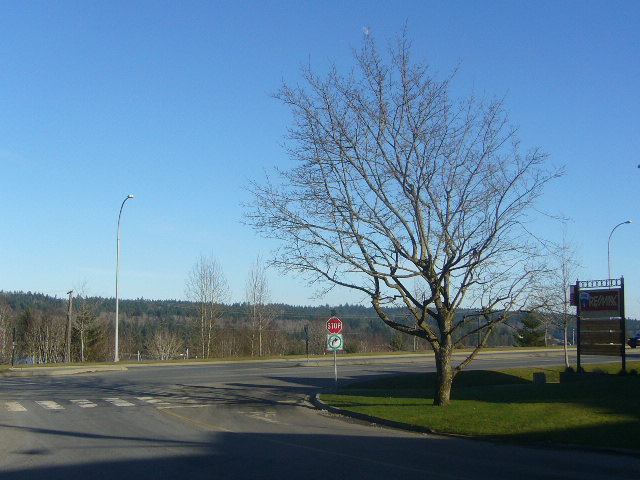
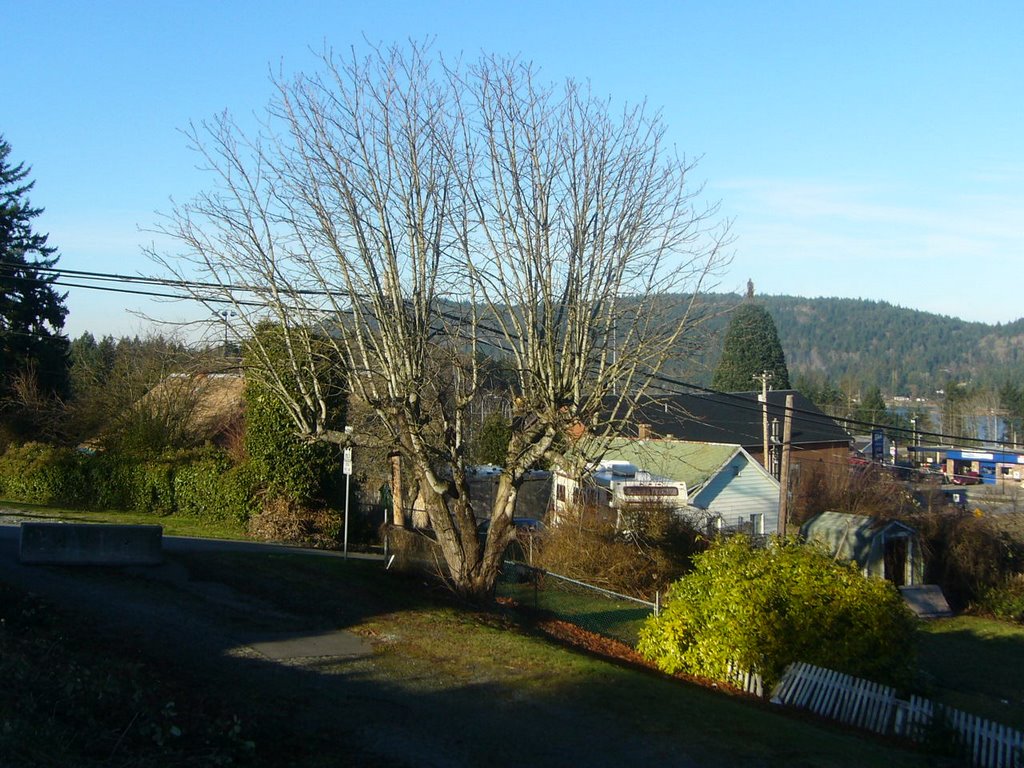
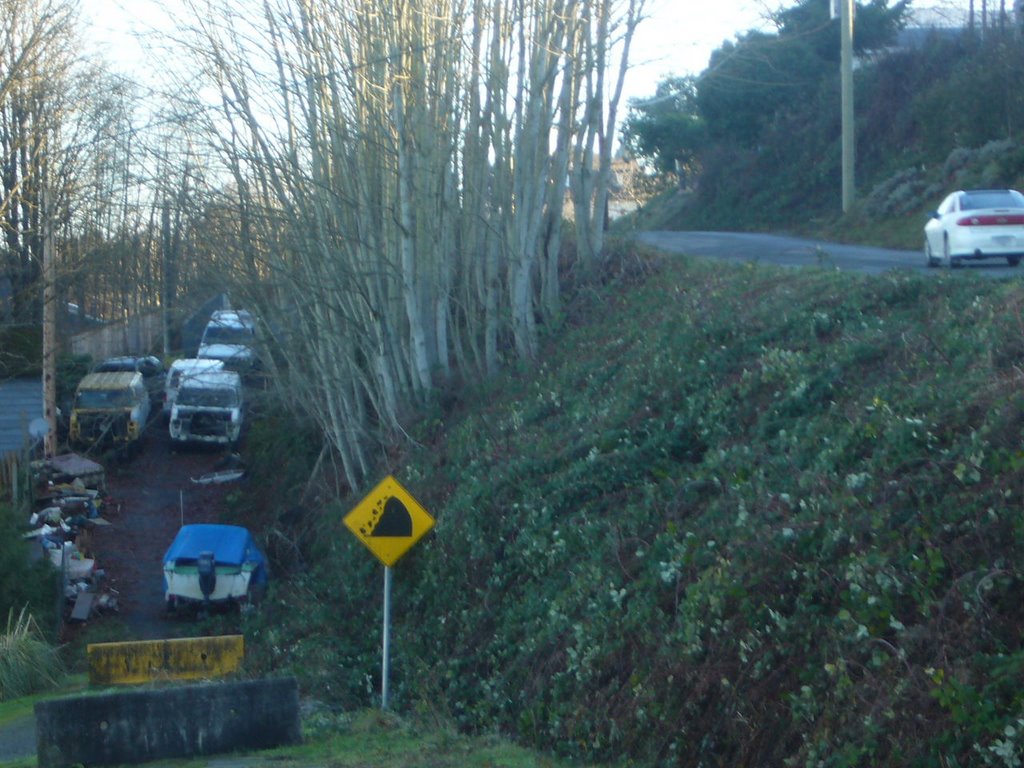
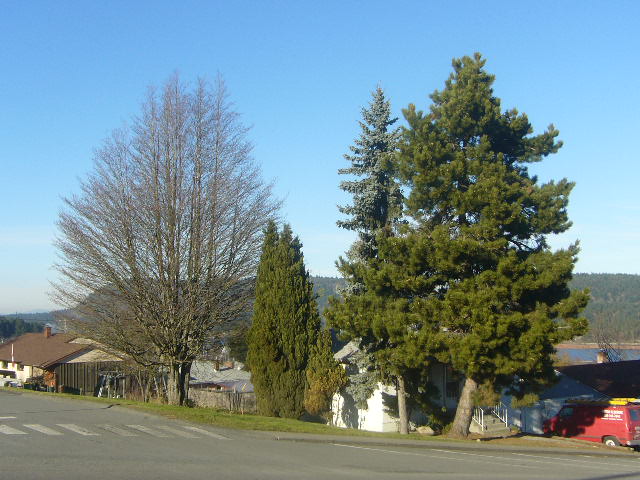
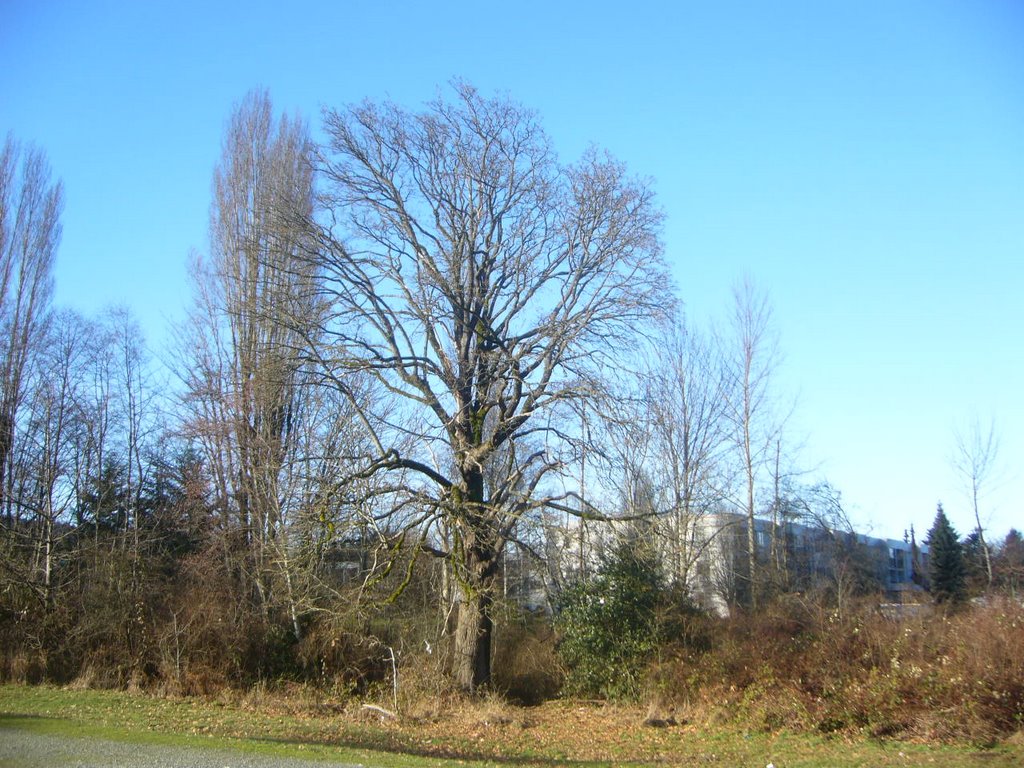
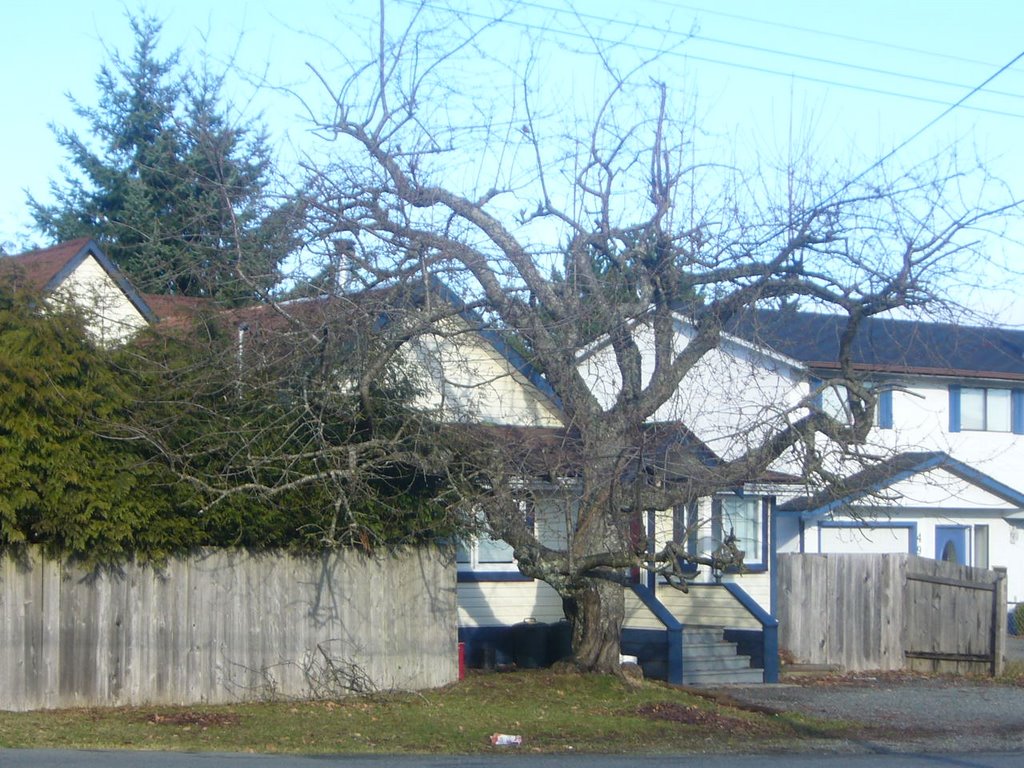
Nanaimo Area Trees

Tuesday, January 23, 2007


8. Punishment Parkway

I suppose the scenic route
is out of the question--
too much time

by lay-bys earlier
running our fingers
along the bunched steel

of braille mountains
worn through at the ocean
& where the /2/ passed through

amenable space you stand
at the edge of
the whole thing a ribbon

of iron control extending
even to the lichen's fluffy edge
so that to stray

is to fall into
the literal orchestra pit
after a Big Drop--

the vast
arbutus forest preserved
on either side of it

certainly terra incognita
before they put the highway through--
but Northfield was a labyrinth

out of Floyd Crosby's Poe
anyway so excuse me
if I never found it but

the immaculate moss meadows
argue that no one much
else did either--

there's a lot
of places dirt bikers
it turns out won't go--

but this future civil terrarium--
roamed by giant tapirs once,
by badgers as big as bears,

undisturbed by pneumatics, steam
or the shrieking factory whistle--
must now endure

the lapidary condescension
of highway patronage, the cement lobby's
largesse, the planner's passion,

the grim and anxious trucks
from which the lolling tongues of mammmals
taste the pre-Cambrian air.
Monday, January 22, 2007


Soviet Roadside Bus Stops

"The roadside bus stop serves a simple purpose – to show where the bus will stop and to provide some comfort and shelter for waiting passengers. One would think that the Soviets would have come up with one universal design for this community structure – simple, functional and cheap to mass produce. However, in many instances this was not the case, much time, effort and imagination went into many roadside bus stops. The sky was the limit with different shapes and design– blocks, domes, columns, towers, A-frames and archways, even ones shaped like birds, yurts and hats. If the bus stop was less bold and daring with its architectural design then the creators would often attract attention with decorating the structure with murals or mosaics. The themes that these decorated bus stops took usually varied depending on the region, often reflecting the local culture, history, or industries.
Sadly, with the breakup of the Soviet Union many of the bus stops are quickly deteriorating from their original glory. That being said some local communities have recognized the local treasures as worthy of preserving and have maintained and repainted them. They will appear in the most unlikely places – sometimes in the middle of the desert, steppe or countryside, sometimes with no homes in sight. They will make you wonder why and they will make you smile. The following collection of images was taken during 2002 and 2006, starting with a cycling trip through the Baltic countries to St. Petersburg and followed by several road trips around Central Asia..."

Sunday, January 21, 2007


beautiful (glost) by Nathan Austin, not new but my first encounter, is available here as hard copy or PDF...

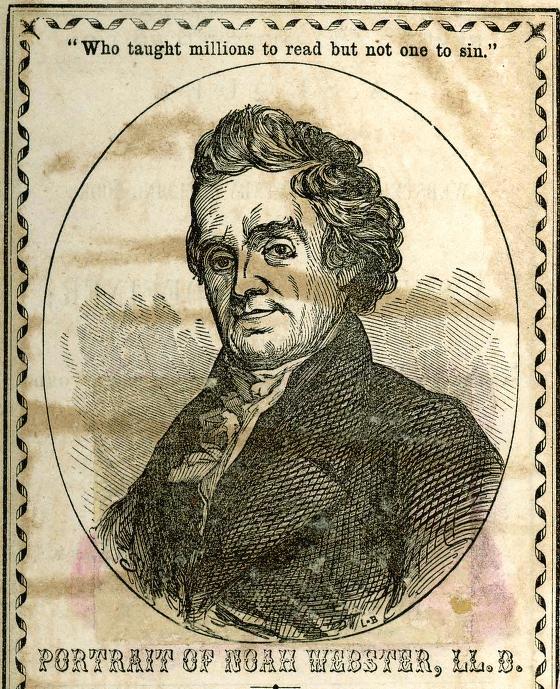
"Noah Webster's American Dictionary of the English Language (1828): a protracted definition of an emerging nation-state; the narrative of its author's conversion; an attempt to restore a language to roots that precede the Tower of Babel. As such, it can be read as a map of a wilderness; but it is also a wilderness unto itself, haunted by countless ghosts, within which the reader becomes lost. These poems record of a series of encoutners with those ghosts."


7. Crazy Rhythm

To speed up
or slow down at will
like that
like Anita no matter
the lyric's "arcs"
or who you're playing with
or in what vehicle careering
depends on the services
over decades
of a drummer--
Roy Haynes & Sassy
would be another
example--capable of lowering
six whirring brushes
onto a linseed-darkened
dream sideboard
while defending a perogy
supper from a platoon
of gibbons--imagine
having such a pedal to press!
messing with the band
would just be the start--
to feel the tin-pan-alley world
snapping like a green twig,
but how tough after
negotiating now that speech
is king again the cabless dawn.


Harewood Trees

Saturday, January 20, 2007


6. Ikea Deserta

Leave sleep to those
in charge of sleep,
the bus he knows the way;
the pussycat anarchists won't
blow up the viaduct tonight--
you can rely on me.

*

On mattresses masters bestir cosily
by threadcounts unmolested
noisily, easily, easily, noisily--
but otherwise untested.

*

Planet it up for the business
of orbiting dirty snowball courses
what tirebiters flicked at cops,
nothing is as still as this sentence
which I began a million days ago
lifting myself onto the bamboo hula
while laces dragged the Barents Sea
to wake folded in the folds of Forfar
in full dark stars coiling
mystic pools of social housing
& ghosts in full monologue
& all of it melting
not into green icing
but holes which are then patched over
with similar stuff
taken from elsewhere.


Tuesday, January 16, 2007


awesome Party Fun With Tape Recorders


"Home Recordings. Children singing, screaming and storytelling.

Remember when you were a kid? Did you have a recorder? Even if you never held a microphone to your mouth and screamed making funny faces, I'm sure you can recall a time when you jumped around like a silly little monkey hooting and hollering. Maybe you still do! We hope so.

All recordings are sourced from cassette tapes found in thrift stores and junk shops, tapes dubbed for us and one tape was even found in a gutter!"


from Paul Valery, "Crusoe"--

"In the rank heady odors of the lockers and caskets of his pantry Crusoe snuffed up both the drudgery of his past and the security of his future. It seemed to him that this great heap of his material wealth gave off an odor of indolence, that from it transpired some essence of continuity, as from certain metals a kind of natural heat."

Monday, January 15, 2007


5. The Dawn In Britain

Fax addresses
other fax in fax

"titivates with plumes
of voodoo jargon"

aka "speaks in tongues"
the mellow ameliorants

of mormon d'esprit,
lodge-blue, cop white,

pink snow, halfhard hotdog
bun cigar-angled

the raven's new year
accessory of choice

they get them "from the farm"
whatever that means--

we've seen the rendering truck
stagger under towers years past

bundled like newspapers
now that presumptive hogs

are rarely present--
the old neighborhood herd

thinned to unemployability--
dogs, cats & fish--

hence other people playing cards,
golf, the film on baby foxes

in both official languages
with the sound turned off,

its all to calm you down,
with at Xmas halfraw turkey

thawing by the "fire"
to sink your teeth into

while a song we all know
encourages wordless grunting

suffused with emotion &
the heavy wine of childhood.